Apr 9, 2025
Bifolding Doors 9 Ways to Transform Your Home
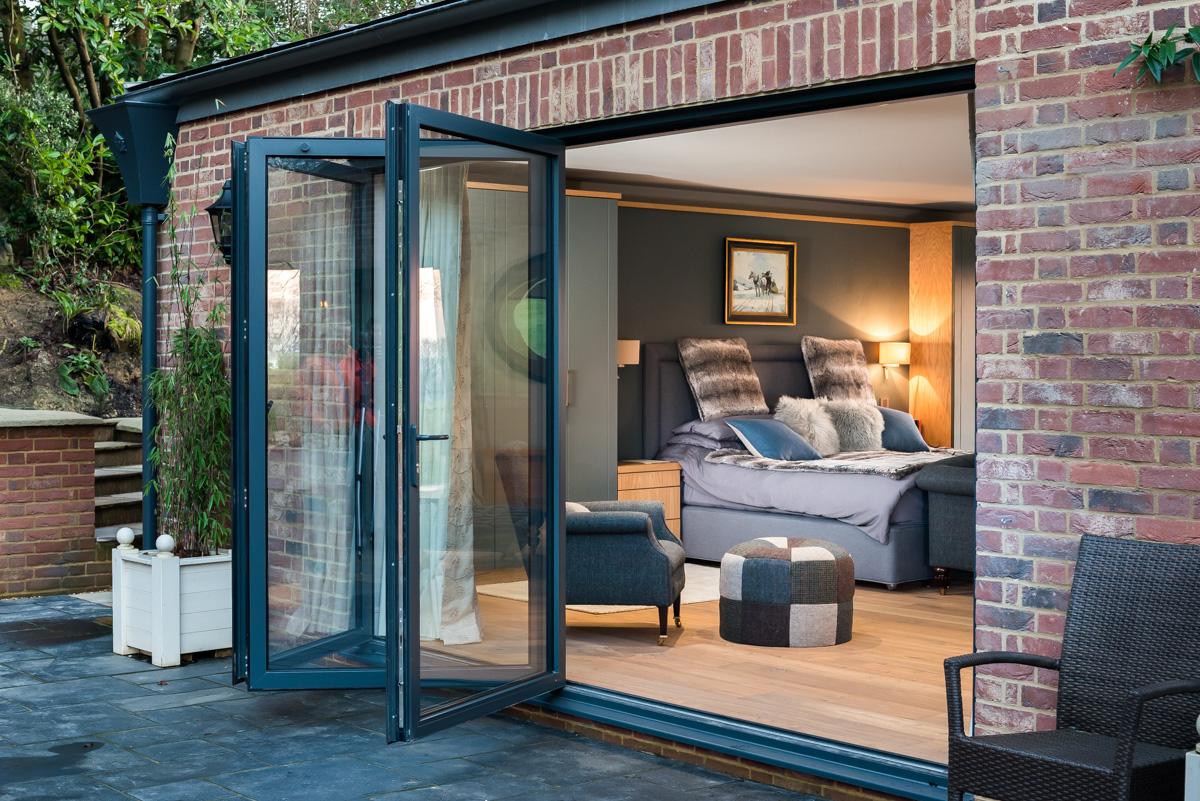
Re-defining Spaces using Bifolding Doors
Bifolding doors have completely changed the way we can think about the separation of indoor space and outdoor space. They combine multiple door panels that fold away neatly to provide a wide, uninterrupted opening and offer a beautiful and functional way to link your internal living rooms to the outside. Bifolding doors are a great solution for homeowners who want to maximize natural light, enhance flow through spaces, and provide a stunning focal point in their home.
Unlike traditional sliding or French doors, bifolding doors can fold completely away to allow openings in almost any size. Because of the terrific functionality they provide and their superior and elegant look, bifolding doors are bringing a very useful approach to refreshing spaces for both traditional and modern homes. Few other architectural elements can match the versatility of bifolding doors, whether you are using them to separate rooms in your home, or in a living room linking you to a patio, or a kitchen leading to a garden.
This complete guide will discuss all you need to know about bifolding doors including costs, installation considerations, maintenance, and materials and design.You'll have all the knowledge you need at the end to decide whether to install these revolutionary doors in your house.
The Development of Bifolding Doors: From Idea to modern Life
The concept of folding doors has existed for a long time; the oldest examples can be found in Chinese and Roman architecture. However, our modern bifolding door that we see in today's homes began to emerge in the mid-20th century in commercial environments, before transitioning into the residential realm.
1980s and 1990s saw bifolding doors become more applicable for the average house as improved engineering techniques and materials provided thinner frames, better weather sealing, and smoother operation. Then, in the early 2000s, the trend towards indoor-outdoor living had really developed in architecture and manufacturers were creating even more options, designs and features.
The Revolution of Bifolding Doors
Bifolding doors of today are the result of decades of development:
Material Advancements: Composite materials that give you strength, insulation and beauty have taken the place of aluminum or wood.
Engineering Advancements: Improved hinges, rollers and track systems that lead to smoother functioning.
Thermal Performance: Enhanced insulating qualities that rival or surpass traditional doors.
Features of Security: Toughened glass and multi-point locking systems for peace of mind
Options for Customization: Almost infinite configuration options to fit every type of house or building
Types of Bifolding Doors and Materials
Bifolding Door Material Options
The material you select for bifolding doors has a big influence on their appearance, functionality, and upkeep needs:
Bifolding Doors Made of Aluminum
Because of its remarkable mix of properties, aluminum has emerged as the preferred material for many bifolding door installations:
Power toWeight Ratio: Enables larger glass sections and thinner frames.
Weather Resistance: Unaffected by moisture, it doesn't rot, distort, or break.
Low Maintenance: Needs little care other than the occasional cleaning.
Thermal Break Technology: To stop heat transport, modern systems have thermal breaks.
Color Options: Almost any RAL color is an option through powder coating.
Aluminum bifolding doors fit beautifully into modern environments, providing a minimalist and streamlined frame that complements modern architecture.. Larger glass panels are made possible by their robustness, which optimizes natural light and your perspective.
Bifolding Doors Made of Timber
For homeowners seeking natural warmth and character, timber bifolding doors offer unmatched appeal:
Natural Beauty: Each door has unique grain patterns and character
Excellent Insulation: Wood naturally insulates better than metal
Traditional Appeal: Perfect for period properties or traditional designs
Customization: Available in an infinite number of paint or stain finishes
Sustainability: Environmentally friendly when purchased from sustainable certified forests.
When properly maintained, hardwood species such as oak, meranti, and sapele are a durable choice for timber bifolding doors with good resistance to warping, and are therefore the most choose type of wood used. However, they require a greater level of maintenance than other materials, since they typically need n preparation and finishing visit each again every couple of years, depending on exposure.
Composite Bifolding Doors
Composite bifolding doors combine different materials to maximize benefits while minimizing drawbacks:
Timber-Aluminum Composite: Wood interior for warmth with aluminum exterior for weather protection
PVC - Aluminum composite bifolding doors: good value core with aluminum skin for more aesthetic appeal
Glass Reinforced Plastic (GRP) composites: with excellent durability and insulation levels.
These hybrid products have proven to be popular because they offer a "best of all worlds" performance design, in particular where thermal efficiency and weather performance is important, and when the climate is extreme.
uPVC bifolding door solutions.
uPVC (Unplasticized polyvinyl chloride) remains the most cost-effective entry level option for bifolding product designs for the budget conscious home owner.
Cost: In general, the lowest cost option on the market.
Good Insulation: Provides effective thermal performance
Low Maintenance: Requires only simple cleaning, no refinishing
Limitations: Typically has wider frames and smaller maximum panel sizes
Durability: have improved since their original release, but do not last as long as aluminum or quality timbers.
Modern PVC bifolding doors have resolved many of their former disadvantages and there are now reinforced frames and quality hardware making them viable for many homes, especially moderate climates
Configuration Options
Bifolding doors offer remarkable flexibility in how they're configured:
Number of Panels
The bifolding door systems can have variations of two up to eight or more panels, depending on the span width of the bifolding doors, and the overall size you are hoping to achieve for the panels.Common configurations include:
2-Panel Systems: Essentially a bifold, suitable for smaller openings up to about 2 meters
3-Panel Systems: Can fold in one direction or incorporate a daily access door
4-Panel Systems: Often configured as 2+2, splitting in the middle for balanced operation
5+ Panel Systems: For larger openings, creating dramatic indoor-outdoor connections
Folding Patterns
The direction and pattern of the fold significantly impacts functionality:
All Folding One Way: All panels stack at one end when open
Split Folding: Panels divide at a point and fold to opposite sides
Odd Number Configurations: Often include a "traffic door" that can open independently
Using notation like "3+0" (three panels folding one way) or "3+3" (six panels splitting in the middle), manufacturers describe these configurations to help visualize the operation.
Threshold Options
The threshold (bottom track) design is crucial for both weather sealing and accessibility:
Standard Threshold: Provides maximum weather protection but creates a small step
Low Threshold: Minimizes the step height while maintaining good weather performance
Flush Threshold: Creates a seamless indoor-outdoor transition, ideal for accessible design
Recessed Options: Where the track sits in a channel in the floor for minimal visual impact
Benefits of Installing Bifolding Doors
Transforming Living Spaces
Bifolding doors deliver numerous advantages that enhance how you experience your home:
Enhanced Natural Light
One of the most immediate benefits of bifolding doors is the dramatic increase in natural light:
Minimal Frame Profiles: Modern systems maximize glass area with slim frames
Eliminated Wall Sections: Replace solid walls with transparent glass
Light Penetration: Allows daylight to reach deeper into your home
Reduced Energy Costs: Less need for artificial lighting during daylight hours
Health and well-being Benefits: More natural light can boost energy and happiness.
Installing bifolding doors, according to many homeowners, makes their interiors feel more alive and colorful throughout the day, in addition to being brighter.
Seamless Indoor-Outdoor Connection
Perhaps the signature benefit of bifolding doors is how they blur the boundary between inside and outside:
Wide Openings: When fully open, up to 90% of the wall can disappear
Expanded Living Area: Your patio or garden becomes an extension of your living space
Potential for Entertainment: Perfect for throwing gatherings that alternate between inside and outdoor spaces.
Seasonal Flexibility: Take pleasure in the great outdoors while staying cozy within
Visual Connection: Even when closed, maintains views to outdoor spaces
Your perception of your house is significantly impacted by this connection to nature and outdoor regions, which makes your living areas feel more spacious and tranquil.
Space Maximization
Bifolding doors offer space-saving benefits that other door systems can't match:
Concertina Folding: Panels stack compactly against each other when open
No Swing Space Required: Unlike hinged doors, no need to keep areas clear for door swing
No Track Intrusion: Unlike sliding doors, don't permanently block part of the opening
Flexible Room Division: Can divide interior spaces without permanent walls
Perception of Space: Creates an illusion of larger rooms even when doors are closed
For homes where every square foot matters, the space efficiency of bifolding doors provides practical advantages in daily living.
Practical Advantages
Beyond the aesthetic and lifestyle benefits, bifolding doors offer tangible practical advantages:
Energy Efficiency
Modern bifolding door systems deliver impressive thermal performance:
Double or Triple Glazing: Provides excellent insulation against heat loss
Thermal Break Technology: Prevents cold transfer through frames
Weather Sealing: Multiple seals prevent drafts and air leakage
Solar Gain Management: Options for low-E glass that controls heat from sunlight
Passive Heating/Cooling: Strategic use can enhance natural temperature regulation
With proper specification, today's bifolding doors can meet or exceed building code requirements for thermal efficiency, helping to reduce heating and cooling costs year-round.
Security Features
Security concerns are thoroughly addressed in quality bifolding door systems:
Multi-Point Locking: Secures the door at multiple points along the frame
Shoot Bolt Mechanisms: Additional bolts that extend into the track for added security
Toughened or Laminated Glass: Resists breaking attempts
Anti-Lift Features: Prevent panels from being lifted out of tracks
Certified Security Standards: Look for PAS 24 certification in the UK or equivalent standards
These characteristics work together to guarantee that the security of your house is not jeopardized by bifolding doors, even with their huge glass sections.
Enhancements in Accessibility
Bifolding doors can enhance accessibility for all household members:
Level Thresholds: Options for minimal or flush thresholds eliminate tripping hazards
Wider Openings: Create generous access points for wheelchairs or mobility aids
Ease of Operation: Well-balanced systems require minimal physical effort to operate
Traffic Doors: Daily access door options that function like a standard door for quick entry/exit
Automation Options: Power-assisted opening systems for maximum accessibility
These features make bifolding doors an excellent choice for multigenerational homes or future-proofing your living space.
Design Considerations for Bifolding Doors
Architectural Integration
For successful installation, bifolding doors must harmonize with your home's architecture:
Style Matching
Bifolding doors come in various styles to complement different architectural approaches:
Contemporary Minimalist: Slim aluminum frames with maximum glass
Traditional Character: Timber frames with decorative detailing
Industrial Look: Black-framed doors with grid patterns
Heritage Compatibility: Options that meet conservation area requirements
Transitional Designs: Blending elements of traditional and modern styles
The frame profile, color, and configuration should all be considered in relation to your home's overall design language.
Structural Requirements
Before installation, several structural factors must be addressed:
Load-bearing Considerations: Proper support above the opening
Lintel Requirements: Ensuring adequate support across wide spans
Foundation Support: Confirming the threshold area can bear the door weight
Side Wall Stability: Structural integrity where doors attach to existing walls
Level Installation Surface: Critical for proper operation and sealing
Professional assessment is essential, as retrofitting bifolding doors often requires structural modifications to ensure safety and performance.
Interior Design Coordination
Bifolding doors become a major design element that should coordinate with interior plans:
Flooring Continuity: Consider how floor materials will transition at the threshold
Color Harmony: Door frames that complement your interior color palette
Furniture Placement: Planning layouts that account for door operation
Window Treatment Options: Solutions for privacy and light control
Visual Flow: Creating cohesive sightlines throughout the space
The most successful installations consider these elements during planning rather than as afterthoughts.
Configuration Decisions
Several key decisions will shape how your bifolding doors function:
Opening Direction
The direction your doors fold impacts both aesthetics and practicality:
Inward vs. Outward: Consider space availability, weather exposure, and preference
Left vs. Right Stacking: Where panels will gather when opened
Split Stacking: Dividing panels to stack at both sides of the opening
Traffic Door Position: Where the daily use door should be located
Egress Requirements: Ensuring compliance with emergency exit regulations
These decisions should account for your specific space constraints and how you plan to use the doors.
Glass Options
The glass specification significantly affects performance and appearance:
Double vs. Triple Glazing: Balancing thermal performance with weight and cost
Low-E Coatings: Reducing heat transfer while maintaining light
Tinted or Privacy Glass: Options for controlling visibility
Safety Glass Standards: Ensuring compliance with building regulations
Acoustic Performance: Enhanced sound insulation where needed
For south or west-facing installations, solar control glass that reduces heat gain may be particularly important for comfort.
Hardware Selection
The quality of hardware directly affects daily user experience:
Handle Designs: From minimal contemporary to traditional styles
Locking Systems: Various security options based on your concerns
Magnetic Catches: Hold panels in place when opened
Threshold Designs: Options based on weather exposure and accessibility needs
Color Matching: Hardware that complements or contrasts with frame colors
Premium hardware typically offers smoother operation, better security, and longer lifespan, making it a worthwhile investment despite higher initial costs.
Installation Process and Considerations
Pre-Installation Planning
Thorough planning ensures a smooth installation process:
Site Assessment
Professional evaluation should include:
Opening Measurements: Precise dimensions accounting for structural support
Level Checking: Identifying any unevenness that needs correction
Structural Integrity: Assessing load-bearing capacity
Existing Services: Locating electrical, plumbing, or heating elements
Access Considerations: Planning how large glass units will be brought to the site
This assessment may reveal necessary preparatory work before installation can begin.
Timing and Scheduling
Installation planning should consider:
Weather Conditions: Avoiding installation during extreme weather
Sequential Coordination: Scheduling in relation to other construction work
Living Arrangements: Planning for disruption during installation
Lead Times: Allowing for manufacturing time, especially for custom orders
Inspection Scheduling: Coordinating building code inspections if required
For renovation projects, bifolding door installation typically takes 1-2 days once the opening is properly prepared.
Permitting and Regulations
Regulatory compliance is essential:
Building Permits: Often required when creating or enlarging openings
Energy Code Compliance: Meeting local thermal performance requirements
Conservation Area Restrictions: Special considerations in protected areas
HOA Approval: Checking homeowner association rules if applicable
Safety Glazing Requirements: Ensuring glass meets safety standards
Working with experienced professionals can simplify navigation of these requirements.
The Installation Process
Understanding the installation steps helps set realistic expectations:
Preparation Phase
Before the doors arrive, preparatory work includes:
Opening Creation/Modification: Removing existing walls or doors
Structural Support: Installing appropriate lintels and supports
Threshold Preparation: Creating level base for the track system
Weatherproofing: Applying appropriate sealants and membranes
Service Relocation: Moving any electrical outlets or switches as needed
Proper preparation ensures the actual door installation proceeds smoothly.
Door Installation
The typical installation sequence includes:
Track Mounting: Securing the bottom track with precise leveling
Frame Installation: Attaching side jambs and head track
Door Hanging: Installing door panels on the track system
Hardware Mounting: Adding handles, locks, and operating mechanisms
Adjustment Phase: Fine-tuning for smooth operation and proper sealing
Professional installers typically complete this process in one day for standard installations.
Post-Installation
After installation, several steps ensure long-term satisfaction:
Testing and Adjustment: Checking operation and making final adjustments
Weatherproofing Completion: Ensuring all seals are properly installed
Clean-up: Removing installation debris and cleaning glass and frames
Owner Education: Demonstrating proper operation and maintenance
Paperwork Completion: Providing warranty documentation and care instructions
A quality installation team will not consider the job complete until the doors operate perfectly and the customer is fully satisfied.
Costs and Value Considerations
Price Factors
Bifolding door costs vary significantly based on several factors:
Material Impact on Price
Different materials come with distinct price points:
uPVC: The most affordable option, typically starting at $500-700 per linear meter
Aluminum: Mid-range pricing, approximately $800-1,200 per linear meter
Timber: Premium option, ranging from $900-1,500 per linear meter
Composite: Often the most expensive at $1,000-1,800 per linear meter
These prices reflect material costs alone and will increase with size, configuration complexity, and additional features.
Size and Configuration Costs
The design specifics significantly impact total cost:
Number of Panels: More panels mean more frames, hinges, and labor
Glass Specification: Triple glazing and special glass types add cost
Hardware Quality: Premium hardware systems increase price but offer better performance
Threshold Type: Flush or low thresholds often cost more than standard options
Custom Sizing: Non-standard dimensions typically incur premium charges
A basic 3-panel bifolding door might start around $3,000, while a high-end 6-panel system in premium materials could exceed $12,000.
Installation Expenses
Beyond the product itself, budget for:
Basic Installation: Typically $1,000-2,500 depending on complexity
Structural Modifications: Additional if wall removal or reinforcement is needed
Finishing Work: Plastering, painting, and trim around the new opening
Electrical Modifications: Moving outlets or switches if necessary
Flooring Adjustments: Creating seamless transitions at the threshold
Professional installation typically adds 15-25% to the overall project cost but is essential for proper performance.
Return on Investment
Bifolding doors offer valuable returns beyond their cost:
Property Value Enhancement
Research indicates bifolding doors positively impact property values:
Market Appeal: Creates a desirable feature highlighted in property listings
Perceived Value: Buyers often perceive spaces with bifolding doors as more luxurious
Extended Living Space: Effectively increases the usable square footage
Modern Update: Signals the home has been updated with contemporary features
Energy Efficiency: High-performance doors can improve overall home efficiency rating
Real estate professionals frequently cite quality bifolding door installations as having 70-80% cost recoupment at resale.
Quality vs. Budget Considerations
When evaluating costs, consider:
Operational Lifespan: Premium systems often last 25+ years versus 10-15 for budget options
Energy Savings: Better thermal performance translates to ongoing utility savings
Maintenance Requirements: Higher quality often means less maintenance and fewer repairs
Warranty Coverage: Premium products typically offer longer, more comprehensive warranties
Usage Experience: Daily operation is noticeably better with quality hardware
The total lifetime cost often favors higher-quality installations despite higher initial investment.
Financing Options
Several approaches can help manage the investment:
Home Improvement Loans: Specific financing for renovation projects
Home Equity Lines of Credit: Using home value to fund improvements
Manufacturer Financing: Many door companies offer payment plans
Energy Efficiency Incentives: Possible tax credits or utility rebates for high-performance doors
Phased Implementation: Installing doors in one area before expanding to others
Consulting with financial advisors and door professionals can identify the most advantageous approach for your situation.
Maintenance and Care for Bifolding Doors
Routine Maintenance
Regular care ensures optimal performance and longevity:
Cleaning Procedures
Proper cleaning techniques preserve appearance and function:
Frame Cleaning: Warm soapy water and soft cloth for all frame materials
Glass Care: Standard glass cleaner or vinegar solution without abrasives
Track Cleaning: Regular vacuuming to remove debris from tracks
Hardware Wiping: Cleaning exposed hinges and handles without harsh chemicals
Sealant Inspection: Checking for damaged or deteriorating gaskets and seals
Establish a quarterly cleaning routine, with more frequent track cleaning if doors open to garden areas.
Preventative Care
Proactive maintenance prevents problems before they develop:
Lubrication: Applying silicone spray to hinges, rollers, and locks (avoid oil-based lubricants)
Tightening Hardware: Checking and adjusting screws that may loosen over time
Weather Seal Conditioning: Using appropriate products to maintain rubber seals
Drainage Clearing: Ensuring water drainage channels remain unobstructed
Adjustment Checks: Confirming door panels remain properly aligned
These simple tasks, performed 2-3 times yearly, can significantly extend door lifespan.
Professional Servicing
Consider professional maintenance for:
Annual Inspections: Comprehensive check of all mechanical components
Roller Replacement: When signs of wear become evident
Seal Replacement: When weather seals lose elasticity or effectiveness
Hardware Upgrades: Replacing outdated or problematic components
Realignment Services: When DIY adjustments aren't sufficient
Many manufacturers recommend professional servicing every 12-24 months to maintain warranty coverage.
Troubleshooting Common Issues
Even well-maintained bifolding doors may occasionally need attention:
Operational Problems
Common issues and their solutions include:
Difficult Movement: Usually requires track cleaning and/or hinge lubrication
Misalignment: Adjustment of roller positions can restore proper operation
Dropping at Corners: Often indicates hinge adjustment or replacement need
Locking Difficulties: May require strike plate adjustment or lock mechanism cleaning
Weather Infiltration: Typically solved by adjusting door position or replacing seals
Most operational issues can be resolved through simple adjustments rather than component replacement.
Weather and Environmental Impacts
Environmental factors require specific responses:
Seasonal Expansion/Contraction: May necessitate seasonal adjustments to maintain operation
Salt Air Exposure: Requires more frequent cleaning and protection in coastal areas
Extreme Temperature Effects: May impact operation during temperature extremes
UV Damage: Can fade some frame materials without appropriate protection
Storm Preparation: May include specific securing procedures in hurricane-prone regions
Understanding your local environmental challenges helps develop appropriate care routines.
When to Call Professionals
Some situations warrant expert attention:
Glass Damage: Cracks or seal failures between glass panes
Significant Water Infiltration: Persistent leaking despite basic adjustments
Structural Issues: Signs of frame distortion or settlement
Motor Problems: For automated systems with electronic failures
Security Concerns: Damaged locks or compromised components
Attempting DIY repairs in these situations can void warranties or create safety issues.
Design Inspiration and Applications
Residential Applications
Bifolding doors enhance numerous areas within homes:
Kitchen Extensions
The kitchen-garden connection has become a signature application:
Indoor-Outdoor Dining: Creating seamless entertainment spaces
Garden View Cooking: Making meal preparation more enjoyable
Breakfast Area Enhancement: Flooding morning dining areas with natural light
Party Flow: Allowing guests to circulate between kitchen and outdoor areas
Herb Garden Access: Convenient connection to outdoor culinary gardens
Modern kitchen designs increasingly incorporate bifolding doors as central features rather than afterthoughts.
Living Room Transformations
Living spaces gain new dimensions with bifolding door installations:
Patio Integration: Blending indoor seating areas with outdoor lounging spaces
View Maximization: Framing landscape or garden views
Entertainment Expansion: Creating unified spaces for larger gatherings
Seasonal Adaptability: Enjoying outdoor connection without temperature extremes
Light Enhancement: Bringing natural illumination to previously darker rooms
The ability to completely open a living room wall creates dramatic spatial experiences that change how families use their homes.
Master Suite Applications
Private spaces benefit from bifolding door installations:
Bedroom-Balcony Access: Creating private outdoor retreats
Bathroom Spa Connections: Linking indoor bathing to outdoor relaxation areas
Dressing Room Natural Light: Improving visibility for clothing selection
Indoor-Outdoor Sleeping Options: Enjoying fresh air while maintaining security
Private Garden Access: Creating personal landscape connections
These applications enhance the feeling of luxury and connection to nature in private spaces.
Commercial Applications
Businesses increasingly leverage bifolding doors for customer appeal:
Hospitality Venues
Restaurants, cafes, and hotels use bifolding doors to enhance guest experiences:
Dining Area Expansion: Creating seasonal outdoor seating that feels connected
Bar Indoor-Outdoor Flow: Allowing patrons to move freely between spaces
Hotel Room-Terrace Connection: Offering premium guest experiences
Event Space Flexibility: Adapting venues to different event sizes and styles
Ambient Experience Control: Adjusting natural light and air flow based on conditions
These installations often lead to increased revenue through expanded capacity and premium pricing.
Retail Applications
Shops and showrooms benefit from bifolding door installations:
Storefront Opening: Creating inviting entrances that eliminate barriers
Display Flexibility: Showcasing products in natural light
Car Showrooms: Allowing vehicle movement while maintaining climate control
Shopping-Dining Integration: Connecting retail with outdoor cafe spaces
Pop-Up Flexibility: Creating temporary indoor-outdoor retail environments
Many retailers report increased foot traffic and sales after installing bifolding door systems.
Educational and Institutional Uses
Schools, libraries, and public buildings leverage bifolding doors:
Classroom-Outdoor Learning: Connecting educational spaces to nature
Multipurpose Hall Division: Creating flexible space configurations
Library Reading Gardens: Linking quiet study areas to outdoor reading spaces
Community Center Flexibility: Adapting spaces for different group sizes
Healthcare Healing Gardens: Providing patient access to therapeutic outdoor areas
These applications support modern educational and institutional philosophies emphasizing connection to nature and flexible use of space.
Future Trends in Bifolding Door Design
Technological Advancements
Innovation continues to enhance bifolding door functionality:
Smart Integration
Technology is transforming bifolding door operation:
Automated Systems: Motorized opening and closing for convenience
Smart Home Integration: Voice and app control of door operation
Security Monitoring: Integration with home security systems
Weather Sensors: Automatic closing during rain or high winds
Energy Management: Coordination with HVAC systems for efficiency
These features are increasingly standard rather than premium options, enhancing safety and convenience.
Material Innovations
New materials are expanding design possibilities:
Ultra-Slim Frames: Pushing the boundaries of strength-to-weight ratios
Vacuum-Insulated Glass: Dramatically improving thermal performance
Composite Developments: New combinations of materials for optimal properties
Self-Cleaning Surfaces: Nanotechnology coatings that reduce maintenance
Sustainable Materials: Recycled content and cradle-to-cradle certified options
These innovations address previous limitations in thermal performance, maintenance, and environmental impact.
Performance Enhancements
Next-generation doors offer improved functionality:
Enhanced Thermal Barriers: U-values approaching solid wall performance
Acoustic Damping: Better sound insulation without added bulk
Weatherproofing Advances: Improved resistance to extreme conditions
Lift-Slide Mechanisms: Hybrid systems combining benefits of different door types
Integrated Screening: Disappearing insect screens that preserve the open feel
These improvements make bifolding doors appropriate for more challenging applications and climates.
Minimal Aesthetics
Contemporary design emphasizes:
Maximum Glass: Pushing the limits of glass-to-frame ratios
Hidden Hardware: Concealed hinges and operating mechanisms
Flush Mounting: Techniques to embed tracks and frames within structures
Frameless Corners: Glass-to-glass connections without visible supports
Integrated Handles: Designs that minimize visual interruption
These trends reflect the ongoing desire to minimize visual barriers between spaces.
Color and Finish Evolution
Finish options continue to expand:
Textured Finishes: Moving beyond smooth surfaces to tactile experiences
Dual-Color Options: Different inside and outside finishes for design flexibility
Wood-Effect Technology: Highly convincing timber appearances on aluminum
Metal Finishing: Bronzed, aged, and metallic effects beyond standard colors
Custom Capabilities: Digital printing and specialized coating techniques
These options allow greater personalization and architectural expression through door design.
Sustainability Focus
Environmental considerations are shaping development:
Cradle-to-Cradle Design: Components designed for eventual recycling
Energy Performance: Ongoing improvements in thermal efficiency
Sustainable Sourcing: Certified materials with verified supply chains
Low-VOC Finishes: Healthier coating options with reduced emissions
Longevity Engineering: Designs prioritizing durability and repair over replacement
As sustainability becomes central to building decisions, these features move from niche to mainstream.
Making the Right Choice: Selection Guide
Assessment Considerations
Evaluate your specific needs through these lenses:
Climate and Weather Factors
Your local conditions should influence door selection:
Temperature Extremes: Thermal break importance in very hot or cold regions
Rain Exposure: Drainage and sealing requirements for wet climates
Wind Considerations: Structural strength needs in high-wind areas
Salt Air Environments: Corrosion resistance for coastal locations
Humidity Factors: Material stability in very dry or humid conditions
Doors performing beautifully in one climate may be problematic in another without proper specification.
Architectural Compatibility
Consider how doors will integrate with your building:
Existing Structural Support: Capability to carry the door system weight
Opening Dimensions: Appropriateness for very large or small openings
Interior/Exterior Transition: Flooring considerations and threshold design
Aesthetic Harmony: Compatibility with overall architectural language
Future Flexibility: Adaptability to potential home modifications
Working with designers who understand both architecture and door systems ensures successful integration.
Lifestyle Alignment
How you live should guide your choices:
Frequency of Use: Durability needs based on how often doors will operate
Accessibility Requirements: Threshold and operation suited to all users
Maintenance Willingness: Realistic assessment of upkeep commitment
Security Priorities: Balancing openness with protection concerns
Privacy Needs: Considering glass options and supplementary solutions
The best door system matches your daily living patterns rather than forcing adaptation.
Decision Process
Follow these steps for a satisfying purchase:
Research Phase
Start with thorough investigation:
Online Exploration: Reviewing manufacturer websites and product specs
Showroom Visits: Experiencing operation and appearance firsthand
Installation Viewing: Seeing completed projects similar to your plan
Reference Checking: Speaking with others who have installed similar systems
Review Reading: Considering experiences from other homeowners
This research builds product knowledge that helps you evaluate sales presentations critically.
Consultation Best Practices
Make the most of professional guidance:
Multiple Quotes: Obtaining at least three comparable proposals
Sample Requests: Examining actual material and finish samples
Technical Questions: Asking about thermal values, security testing, and warranties
Installation Details: Understanding who performs the work and their qualification
After-Sale Support: Clarifying maintenance services and ongoing support
Quality professionals welcome informed questions and provide clear, detailed responses.
Decision Checklist
Before finalizing, confirm these elements:
Material Suitability: Right choice for your location and usage
Configuration Practicality: Door operation that works for your space
Performance Specifications: Meeting or exceeding your requirements
Warranty Coverage: Understanding exactly what's protected and for how long
Budget Alignment: Total cost including installation and any preparatory work
Taking time with this final verification prevents costly disappointments after installation.
FAQ: Common Questions About Bifolding Doors
How much do bifolding doors cost?
Bifolding doors typically range from $500-1,800 per linear meter depending on material, with total installed costs for a standard 3-meter opening ranging from $3,000 to $9,000. Custom sizes, premium materials, and complex installations can increase costs.
Are bifolding doors secure?
Quality bifolding doors feature multi-point locking systems, toughened safety glass, and anti-lift mechanisms that provide security comparable to or exceeding standard doors and windows. Look for doors tested to security standards like PAS 24.
Do bifolding doors add value to my home?
Yes, well-installed bifolding doors typically return 70-80% of their cost in increased home value while making properties more attractive to potential buyers. They're often highlighted as premium features in real estate listings.
How energy efficient are bifolding doors?
Modern bifolding doors with thermal breaks and double or triple glazing can achieve U-values